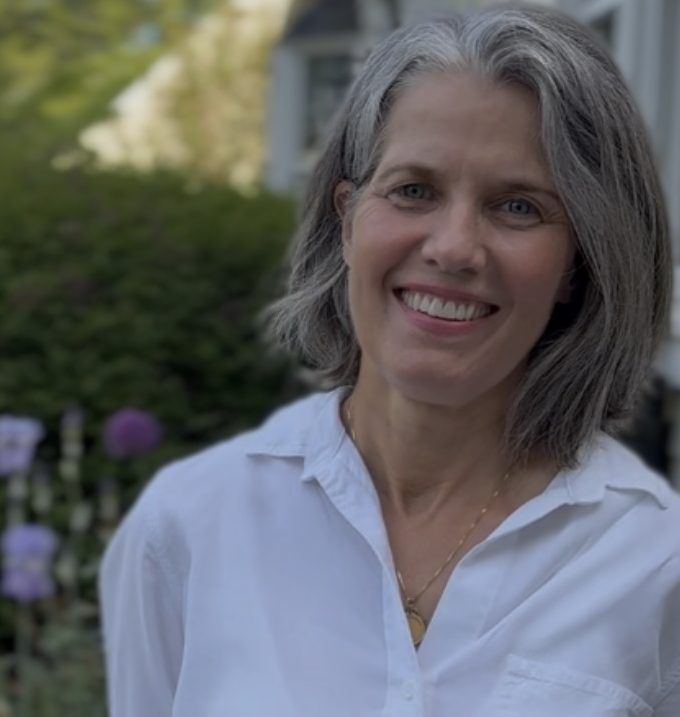
Sixteen-year-old junior Lisa Hasse left Germany to spend a year in the United States, not as a tourist but to throw herself into a different culture. For her, being an exchange student meant experiencing everyday life in a new country, attending high school, making new friends, and discovering what sets America apart from life in Germany.
Portsmouth High School typically hosts three to five exchange students each year through programs like Cultural Homestay International (CHI), and Hasse is one of the few students staying for the entire year.
Hasse chose the exchange program because she wanted “travel and experience at the same time.”
Visiting a country as a tourist is one thing, but living with a host family and attending an American high school felt completely different. “When you live with people from here, you learn the country from them,” she explained.
How Portsmouth High School’s Exchange Program Works
Brittany Lind, PHS’s exchange program coordinator, oversees students like Lisa. After inheriting the program post-COVID, she streamlined it to work solely with CHI. “It’s been a nice transition because it’s not as chaotic trying to work with multiple companies that have different requirements,” said Lind.
The goal is simple: to allow international students to experience American high school and the local area while giving Portsmouth students the opportunity to learn from their peers around the world through the exchange program that connects Nichinan and Portsmouth. CHI matches students with families based on lifestyle and interests, and Lind reviews academics, transcripts, and extracurricular activities.
“If they’re struggling academically, I wonder if they’ll make it a full year away from home,” said Lind.
First Impressions of America
When asked what the first thing Hasse noticed about the U.S. was, she simply responded, “big parking lots.”
What stood out even more was how welcoming people were. “Everyone is super nice and really welcoming,” she recalls. She felt that teachers, classmates, and neighbors seemed genuinely excited to meet her, making her transition much easier.

The Hardest Part
Before she arrived, Hasse had some worries. Lind explained that homesickness affects every exchange student, regardless of their background. “They’re away from family, friends, and their support networks; it’s like ripping off a Band-Aid. You’re at home one day, and the next, you’re not going back for a year,” said Lind.
However, these fears didn’t last long for Hasse. “The biggest challenge was that I was scared of things that were not going to happen,” she said.
Once she started talking to people and joining activities, her worries disappeared. People approached her at sports games, engaged with her in class, and welcomed her into their friend groups, making her experience much richer.
Her new friends went above and beyond; at the beginning of the year, they created a list of restaurants she wanted to try and took her to each one. “They helped me try new things, and we’re hoping to show me everything,” she said.
Big and Small Cultural Differences
It quickly became apparent to Hasse that American culture is more openly enthusiastic than what she was used to in Germany.
“People are much nicer here,” she said quietly, not wanting to offend her home country. She noted that Americans celebrate holidays with greater fervor, such as Easter, St. Patrick’s Day, and Christmas. The only holiday celebrated with similar enthusiasm in Germany is Oktoberfest, which she feels Americans should understand better.
“When you don’t understand, you’re kind of mocking our culture,” Hasse stated.
One of the most significant differences Hasse observed and admired is how sports are treated in American high schools.
“In America, sports are more popular,” said Hasse. “If students have a game, the school lets them leave early. In Germany, sports are more of an after-school hobby and not prioritized at all.”
Favorite Moments in New Adventures
When asked about her favorite experience so far, Hasse didn’t hesitate to mention traveling. A highlight was spending Christmas in Maui, a stark contrast to the cold holidays she experienced in Germany.
“Being in Maui for Christmas, and all the traveling,” she said, recalling some of the best parts of her year.
How the Exchange Changed Her
Living in another country has changed the way Hasse thinks about life. She believes she has become more open to trying new things and more willing to step out of her comfort zone.
“I’m more positive in life,” she said. “I try to see the good things and not dwell on the negative.”
Practical Advice from Brittany Lind
Lind looks for certain qualities in exchange students: “They’re not afraid to speak up for themselves, not super shy, outgoing, willing to try new things, and understand a different culture.”
Her advice for students considering studying abroad, or hosting one, is simple. Get involved.
“The more people that you meet and get to know, the more fun you’re going to have,” she said. “Try clubs, sports, or activities even if you’re not great at them. You’ll find like-minded people.”
To parents, she stresses communication. “Make sure it’s open both ways,” Lind said. Host families need to share what they see at home, and parents sending kids abroad need to trust the process but stay connected.
What Hasse Will Miss
When Hasse returns to Germany, she knows there is a lot she will miss. At the top of the list are her host family and the friends she has made here. She will also miss the way American high school is much easier than German high school, her host family’s dog “Mooks”, and, of course, the friends she made throughout the year.
For Hasse, the exchange year has been more than just a trip. It has been a chance to live between two worlds, to grow more confident, and to carry a piece of American life back home with her.