
Many students think of math class as something they just have to get through, but math teacher Zachariah Goldenberg is trying to change that.
Now in his ninth year of teaching, Goldenberg brings practical math into his Portsmouth High School classroom. Before his time as a teacher, he worked as an actuary at Liberty Mutual for three years and as a financial representative at Fidelity, where he advised high‑net‑worth clients. With that background and a master’s degree in data analytics, he brings a real‑world perspective to his teaching.
Goldenberg has been teaching a course called Personal Finance since September 2020. This course used to be called “Real World Math.” For him, the appeal is simple: it is math that actually matters.
“I like the practical side of math,” Goldenberg said. “This is something students will actually use.”
That mindset is starting to shape the school’s curriculum. Beginning next year, incoming freshmen will be required to take a half credit of Personal Finance, showing how important these skills are becoming in the real world.
Why It’s More Than a Class
For many students, high school is the first time they start managing their own money, whether it is from a job, savings, or eventually paying for college.
“Students are just beginning to control their own finances,” Goldenberg said. “The more you know, the better you can manage your finances.”
One of the biggest mistakes he sees young people make is committing to huge financial decisions without understanding the burden. This could be anything from taking out a student loan to buying a car.
“Any situation where you’re going to be in a tough spot that could have been avoided if you had researched,” Goldenberg said. “You need to understand what a financial decision actually entails.”
From a Student Who’s Lived It
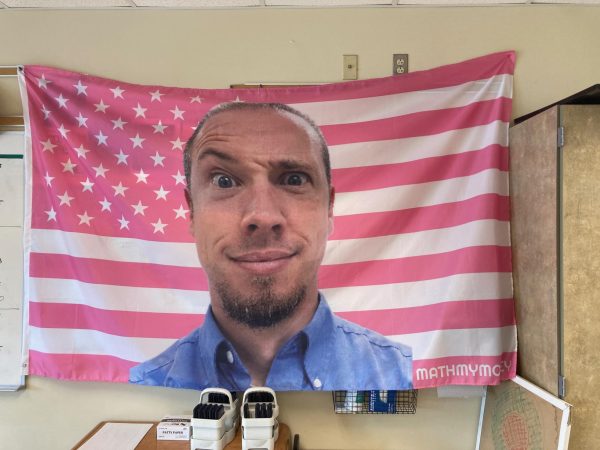
Owen Kohler, a PHS senior, took Personal Finance last year and said the class completely changed how he thinks about money. Before the course, he said he “never really thought past the next paycheck,” but now he tracks his spending and actually has a plan for the money he makes. Making a budget in class was the turning point for him: “Once I saw how much I was wasting on random stuff, it really hit me.”
Kohler has also started investing a small amount from each paycheck, using what he learned during the investing unit, and said that beginning early “makes the future feel less scary and more in my control.” For him, the biggest benefit is not just about the numbers—it is the confidence.
“When I think about college or getting a car or buying a house, I don’t feel as clueless anymore,” Kohler said. “This class makes you feel like you’re actually ready for the real world.”
Kohler put it simply: “Personal Finance is a class where I walked out and immediately used what I learned that same day or week.”
Start Early
If there is one topic Goldenberg emphasizes the most, it is investing.
“It’s all important,” he said, “but learning how to invest is huge.”
The main reason is time. “If you take someone who invested at 30 and someone who started investing at 18, they have a huge advantage,” said Goldenberg.
“If I knew what I knew now, I would have done things a little differently,” he said. “There are good things you can do and bad things you can do, so you can avoid doing the bad.”
Kohler had the same idea from a student’s perspective. “I always thought investing was for rich, smart people and adults,” he said. “After this class, I realized starting at 16, 17, 18 is a huge advantage.”
What He Hopes Students Keep
Goldenberg knows students will not remember everything from the class, but there are a few habits he really hopes stick. “There’s a lot. If I had to pick three, I would say make a budget, use a credit card like a debit card, and invest earlier,” he said.
Kohler says that he already follows one of Goldenberg’s habits. “I actually check my budget before going to do something now, and if I don’t have the funds, I don’t go,” he said. “It’s boring and annoying, but it saves me from being broke,” said Kohler.
At the end of the day, the goal of the class is not just about being rich—it is about having options and feeling confident.
In years to come, Goldenberg hopes his students can manage their money without stress and make smart decisions for their future.
“Success looks different for everyone,” he said. “But it means not struggling financially and being confident in the choices you’re making.”
Kohler thinks this might be the class that matters most later in life. “Five years from now, the class will stick with me rather than some math formula,” he said.
If students remember one thing, Goldenberg hopes it is this: “Money is just a tool—learn how to use it.”
What’s Next
As the class continues to grow, Goldenberg is already thinking ahead. He would like to eventually offer a more advanced course that goes deeper into topics like financial modeling and high‑level finance concepts.
For now, though, his focus is on giving students real‑life knowledge they can use.
If you are interested in signing up for Personal Finance course, please visit your guidance counselor.